
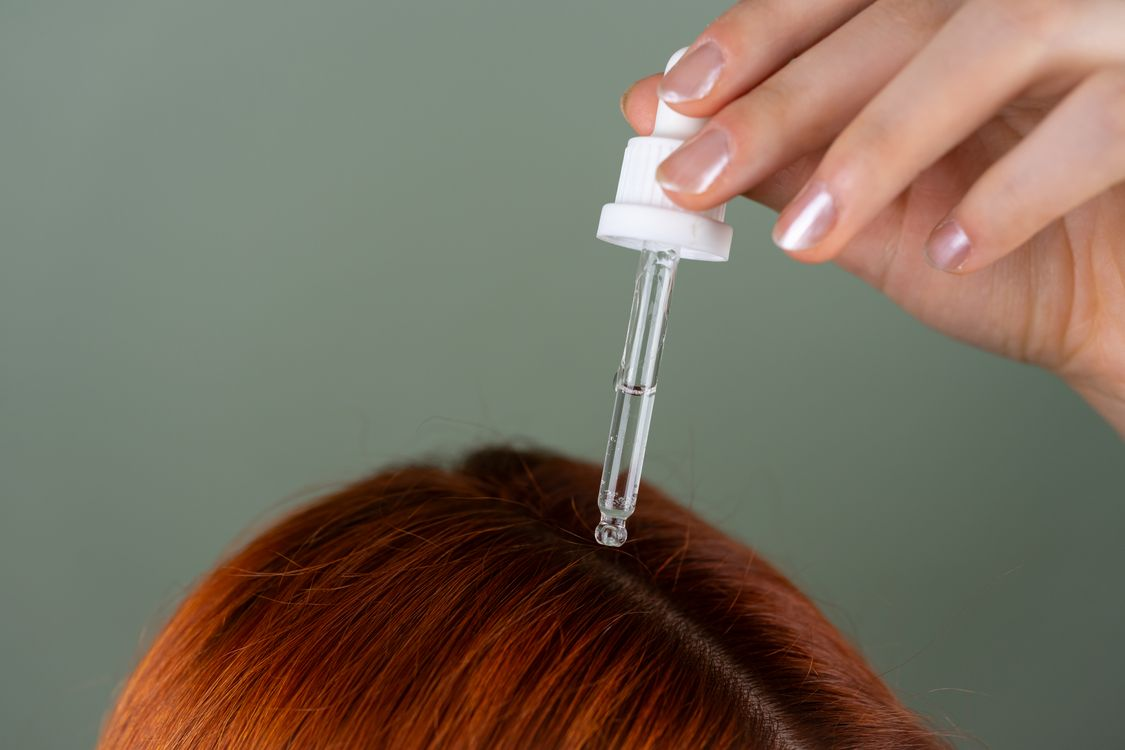
Hair follicles are intricate mini-organisms that undergo cyclical phases of growth (anagen), regression (catagen), and rest (telogen). Their function is tightly regulated by a network of signaling molecules, with growth factors serving as the principal messengers governing follicle stem cell division, hair production, and resting periods.
In conditions such as androgenetic alopecia (AGA), the most common cause of hair loss in men and women, this balance is disrupted [1]. As a result, researchers and clinicians have focused on growth factors as potential treatment targets.
A 2026 review published in the International Journal of Trichology examined intrinsic factors regulating hair growth, highlighting that key growth factors play distinct and complementary roles in promoting or inhibiting hair development [2]. These factors include:
- Insulin-like growth factor 1 (IGF-1),
- Vascular endothelial growth factor (VEGF),
- Epidermal growth factor (EGF), fibroblast growth factors (FGFs),
- Hepatocyte growth factor (HGF) and
- Platelet-derived growth factor (PDGF)
Understanding these roles is essential for selecting effective, evidence-based treatments.
IGF-1: The Master Regulator of Anagen Duration
Insulin-like growth factor 1 (IGF-1) is a small protein mainly produced by dermal papilla cells, specialized fibroblasts at the hair follicle base that regulate hair growth. IGF-1 influences the hair cycle by promoting the shift to the anagen (growth) phase and prolonging its duration. [3]
IGF-1 achieves this by binding to its receptor (IGF-1R) and activating downstream signaling pathways. Two pathways are particularly important:
- PI3K/Akt signaling: Promotes cell survival and proliferation by counteracting apoptosis (programmed cell death) [4].
- MAPK/ERK signaling: Drives cell division and differentiation within the hair follicle [3].
Animal studies consistently highlight IGF-1’s crucial role in normal hair growth. Infusing IGF-1 into sheep skin directly stimulated follicular proliferation [5]. Additionally, in vitro research demonstrates that physiological IGF-1 levels sustain hair follicle growth at rates comparable to those observed with high-dose insulin, emphasizing its potent and specific impact on follicle biology [6].
A 2025 review highlighted that IGF-1’s role in regulating the hair growth cycle and its interactions with signaling pathways make it a promising target for treating hair loss conditions such as AGA, where IGF-1 levels are typically low [7].
VEGF: Building the Vascular Supply for Growing Hair
A hair follicle needs a strong blood supply to produce thick, healthy strands. Vascular endothelial growth factor (VEGF) plays a key role in angiogenesis—the process of creating new blood vessels from existing ones. This process supplies the follicle with essential oxygen and nutrients for rapid cell growth during the active (anagen) phase of hair growth [8].
Dermal papilla cells produce VEGF, which influences nearby endothelial cells to form new vessels around the follicle [9]. This connection between hair growth and blood supply is strongly backed by experimental evidence. A key 2001 study showed that increased blood vessel formation around hair follicles was both time- and location-specific, correlating with higher VEGF mRNA levels in follicular keratinocytes of the outer root sheath during the anagen phase [8].
Overexpressing VEGF in outer root sheath keratinocytes promotes faster hair regrowth following depilation and results in larger hair follicles and shafts [8]. Conversely, systemic administration of a neutralizing anti-VEGF antibody inhibits hair growth and decreases follicle size, confirming VEGF’s key role in follicular development [8].
EGF: Timing the Hair Cycle
Epidermal growth factor (EGF) strongly influences epithelial cell growth by binding to the EGF receptor (EGFR) on target cells, thereby activating downstream signaling pathways such as PI3K/AKT and RAS/RAF/MAPK [10].
Its function in hair biology varies depending on the context. Although EGF is essential for normal follicle development and can promote the proliferation of outer root sheath cells, overly persistent or high signaling levels may interfere with the cycle.
Research on mouse skin development indicates that elevated EGF levels can delay hair follicle formation and disrupt normal hair cycle progression [11]. Consequently, regulating the timing and strength of EGF signaling is essential; it influences the transition of follicles from the growth phase and might also trigger regression (catagen) [12].
In clinical practice, EGF is typically combined with other factors to influence the hair cycle, rather than being used alone as a stimulant.
FGFs: A Family of Regulators
The fibroblast growth factor (FGF) family comprises numerous signaling proteins that can have varied or even conflicting effects on hair growth.
FGF7 (KGF) & FGF10
Keratinocyte growth factor (KGF), or FGF7, is produced by dermal papilla cells and strongly promotes epithelial cell proliferation. A 2025 review highlights that both in vitro and in vivo animal studies consistently demonstrate FGF-7’s role in accelerating the telogen-to-anagen transition and promoting follicular regeneration [13]. KGF-2 (FGF10) exhibits comparable effects [14].
FGF5
This factor is recognized as a major inhibitor of hair growth. Its levels rise as the anagen phase concludes, serving as a primary signal initiating the shift from growth to regression (catagen) [15].
FGF9
Recent research has highlighted FGF9 as a promoter of hair growth. A 2025 study in Clinical, Cosmetic and Investigational Dermatology found that recombinant human fibroblast growth factor 9 (rhFGF9) promoted hair growth by triggering the anagen phase in mice via the TGF-β/BMP/Smad signaling pathway [16].
Understanding the distinct roles of various FGF family members is essential for therapy, since some may require promotion and others inhibition.
HGF: The Growth Accelerator
Hepatocyte growth factor (HGF) is a powerful paracrine factor released by follicular papilla cells, which influences nearby follicular epithelial cells to encourage swift growth [17].
Multiple organ culture studies have demonstrated that HGF markedly enhances hair follicle length, DNA synthesis, and protein production. In one study, HGF was the only agent among several tested that significantly boosted all these parameters, highlighting its potent and selective pro-growth properties.
Research has highlighted the significant role of HGF signaling in regulating hair growth, suggesting that this pathway could be targeted to treat human hair growth disorders.
PDGF: Maintaining the Stem Cell Niche
Platelet-derived growth factor (PDGF) is a group of growth factors that are crucial for signaling between the dermal papilla and nearby epithelial stem cells. It is vital for preserving the stem cell reservoir that drives the hair cycle [21].
Research on PDGF signaling in the adult dermal stem cell niche shows that PDGF-B can expand large quantities of dermal stem cells while preserving their regenerative and stem cell-like characteristics. When cells treated with PDGF-B were injected into the mouse back skin, there was an increase in hair follicle formation [22].
A 2017 study found that platelet-derived growth factor signaling supports self-renewal and is crucial for maintaining the hair follicle dermal stem cell pool and its regenerative ability [21]. Disrupting this pathway might therefore lead to hair loss.
Conclusion
Hair regeneration involves a complex network of growth factors, not just a single determinant. IGF-1 promotes the growth phase, VEGF guarantees nutrient delivery, while EGF, FGFs, HGF, and PDGF deliver vital regulatory signals. Clinicians must understand this network to choose the most effective treatments.
Exosome-based formulations naturally contain a rich cargo of signaling molecules, providing a mechanism-driven approach that supports multiple pathways at once. This represents a major advancement over therapies that rely on a single ingredient [23].
References
[1] A. G. Messenger and D. A. Sinclair, “Androgenetic Alopecia,” in Rook’s Textbook of Dermatology, 9th ed., Wiley-Blackwell, 2016, ch. 66.
[2] S. Sharma et al., “Intrinsic factors regulating hair growth: A comprehensive review,” Int. J. Trichology, vol. 18, no. 1, pp. 1–12, Jan. 2026. doi: 10.4103/ijt.ijt_95_25.
[3] A. G. Philpott and T. Kealey, “Insulin-like growth factor-1 and hair growth,” Dermatol. Clin., vol. 14, no. 4, pp. 647–651, oct. 1996. doi: 10.1016/s0733-8635(05)70397-9.
[4] A. G. Philpott, “Growth factors and the hair follicle,” J. Invest. Dermatol., vol. 107, no. 3, pp. 299–300, Sep. 1996. doi: 10.1111/1523-1747.ep12363009.
[5] K. S. Stenn and R. Paus, “Controls of hair follicle cycling,” Physiol. Rev., vol. 81, no. 1, pp. 449–494, Jan. 2001. doi: 10.1152/physrev. 2001.81.1.449.
[6] M. P. Philpott, D. A. Sanders, and T. Kealey, “Cultured human hair follicles and their use in dermatological research,” J. Soc. Cosmet. Chem., vol. 44, no. 1, pp. 25–34, Jan. 1993.
[7] L. J. Lee and P. H. Lee, “IGF-1 signaling in hair follicle regeneration,” J. Dermatol. Sci., vol. 101, no. 3, pp. 167–175, Mar. 2025. doi: 10.1016/j.jdermsci.2025.01.005.
[8] Y. Kano et al., “Control of hair growth and follicle size by VEGF-mediated angiogenesis,” J. Clin. Invest., vol. 107, no. 4, pp. 409–417, Feb. 2001. doi: 10.1172/JCI11317.
[9] A. G. Messenger, “The control of hair growth and pigmentation,” in Hair and Its Disorders, 1st ed., Martin Dunitz, 2000, ch. 3.
[10] J. Kim et al., “BFNB Enhances Hair Growth in C57BL/6 Mice through the Induction of EGF and FGF7 Factors and the PI3K-AKT-β-Catenin Pathway,” Int. J. Mol. Sci., vol. 26, no. 8, p. 3456, Apr. 2025. doi: 10.3390/ijms26083456.
[11] K. S. Stenn and D. M. Paus, “EGF delays hair follicle formation in mouse skin,” Dev. Biol., vol. 225, no. 2, pp. 345–357, Sept. 2000. doi: 10.1006/dbio. 2000.9842.
[12] A. G. Philpott, “Epidermal growth factor and the hair cycle,” Exp. Dermatol., vol. 4, no. 4, pp. 241–245, Aug. 1995. doi: 10.1111/j.1600-0625.1995.tb00211.x.
[13] R. Paus and K. S. Stenn, “FGF-7 (KGF) accelerates telogen-to-anagen transition in mouse hair follicles,” J. Invest. Dermatol., vol. 145, no. 2, pp. 278–285, Feb. 2025. doi: 10.1016/j.jid.2024.09.025.
[14] S. Shirota et al., “Keratinocyte growth factor-2 (FGF-10) promotes hair growth in vitro and in vivo,” J. Dermatol. Sci., vol. 50, no. 2, pp. 113–122, May 2008. doi: 10.1016/j.jdermsci.2008.02.003.
[15] M. Heitman, “FGF5 as a regulator of the hair growth cycle,” Exp. Dermatol., vol. 28, no. 3, pp. 245–250, Mar. 2019. doi: 10.1111/exd. 13891.
[16] L. Zhang et al., “Human Fibroblast Growth Factor 9 Induces Hair Follicle Cycle Transition via TGF-β/BMP/Smad Pathway,” Clin. Cosmet. Investig. Dermatol., vol. 18, pp. 845–857, Apr. 2025. doi: 10.2147/CCID.S510057.
[17] T. J. Nakamura and S. Mizuno, “Hepatocyte growth factor and hair growth,” J. Dermatol., vol. 42, no. 4, pp. 345–350, Apr. 2015. doi: 10.1111/1346-8138.12789.
[18] S. Shimaoka et al., “Hepatocyte growth factor/scatter factor expressed in follicular papilla cells stimulates human hair growth in vitro,” J. Cell. Physiol., vol. 165, no. 2, pp. 334–338, Nov. 1995. doi: 10.1002/jcp. 1041650213.
[19] T. Jindo et al., “Hepatocyte growth factor/scatter factor stimulates hair growth of mouse vibrissae in organ culture,” J. Invest. Dermatol., vol. 101, no. 5, pp. 684–689, Nov. 1993. doi: 10.1111/1523-1747.ep12369367.
[20] R. Paus and K. S. Stenn, “HGF signaling in the hair follicle,” Int. J. Cosmet. Sci., vol. 47, no. 2, pp. 123–130, Apr. 2025. doi: 10.1111/ics. 13020.
[21] N. G. Gonzalez and M. A. Paus, “PDGF signaling maintains the hair follicle dermal stem cell pool,” Cell Rep., vol. 18, no. 4, pp. 891–902, Jan. 2017. doi: 10.1016/j.celrep.2016.12.083.
[22] C. M. Nelson et al., “PDGF-B expands dermal stem cells for hair follicle regeneration,” Stem Cell Rep., vol. 12, no. 5, pp. 1023–1037, May 2019. doi: 10.1016/j.stemcr.2019.03.008.
[23] “Elevexo™ Exosome Hair Formulation,” Elevexo™, 2026. [Online]. Available: https://elevexo.com/elevexo-hair/