
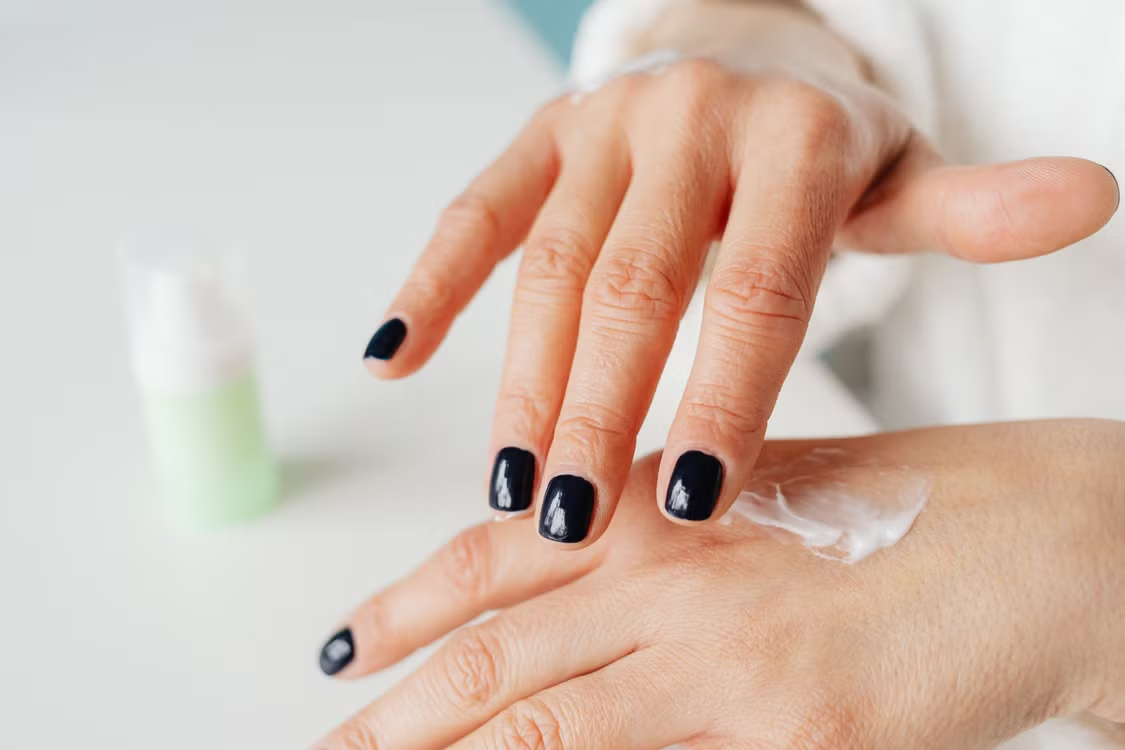
Biomimetic peptides are synthetic molecules engineered to mimic the structure and function of naturally occurring peptide fragments. Unlike basic moisturizers or occlusives, these peptides are designed to bind specific cellular receptors, thereby triggering precise biological responses, including collagen synthesis, inflammation reduction, and neurotransmitter modulation [1]. In topical applications, they primarily act as signaling molecules rather than inert ingredients.
Peptides utilized in regenerative and aesthetic applications can be classified into diverse functional categories. Signal peptides convey signals to fibroblasts to enhance the synthesis of collagen, elastin, and other constituents of the extracellular matrix. Carrier peptides, including copper peptides, assist in the delivery of trace elements, such as copper, to enzymes that necessitate them for their optimal functionality.
Neurotransmitter inhibitory peptides, commonly known as “botox-like” peptides, reduce facial muscle contractions to attenuate expression lines. Enzyme-inhibitory peptides decelerate the breakdown of newly synthesized collagen. A final category, sometimes referred to as ‘repair peptides,’ helps restore barrier function and reduce inflammation. Numerous modern formulations incorporate peptides from various classes to address multiple signs of aging and damage simultaneously.
Signal Peptides
Signal peptides are small, biologically active segments originating from extracellular matrix proteins. When fibroblasts receive these signals, they enhance their production of collagen, elastin, fibronectin, and glycosaminoglycans. An illustrative example of this is Matrixyl (palmitoyl pentapeptide-4).
It activates the transforming growth factor-beta (TGF-β) signaling pathway, boosting the production of types I, III, and IV collagen, fibronectin, and glycosaminoglycans. It also improves the organization of dermal elastic fibers, directly reinforcing the skin’s structural framework.
Copper Peptide GHK-Cu
Copper peptide GHK-Cu functions as a carrier peptide, facilitating the delivery of copper ions to fibroblasts and other cellular structures. Copper functions as an essential cofactor for lysyl oxidase, an enzyme involved in the cross-linking of collagen and elastin. Moreover, GHK-Cu functions as a signaling molecule that induces fibroblasts to enhance the synthesis of collagen, elastin, proteoglycans, and glycosaminoglycans [4].
In vitro studies show that GHK-Cu stimulates collagen production in fibroblast cultures at concentrations as low as 10⁻¹² M, with an 80% increase observed at 10⁻⁹ M [5]. Additionally, the peptide affects matrix metalloproteinase (MMP) expression and reduces oxidative stress [6].
In controlled studies regarding photodamaged or aged skin, formulations containing GHK-Cu have been documented to enhance skin firmness, improve elasticity, reduce fine lines and wrinkles, and increase skin density and thickness [7].
Palmitoyl Tetrapeptide-7
Palmitoyl tetrapeptide-7 (Rigin) reduces the secretion of the proinflammatory cytokine interleukin-6 (IL-6) from dermal cells. By downregulating IL-6, the peptide helps attenuate chronic, low-grade inflammation, which otherwise accelerates the breakdown of collagen and other structural proteins in the dermis.
It is also hypothesized to promote the regeneration of collagen fibers and elevate hyaluronic acid concentrations, thereby attracting moisture to the epidermis and improving the skin’s overall firmness and density [10]. It is commonly utilized in conjunction with palmitoyl tripeptide-1.
Acetyl Hexapeptide-8
Acetyl hexapeptide-8 (Argireline) is a peptide that serves as a neurotransmitter inhibitor, reducing the prominence of expression lines. This peptide antagonizes SNAP-25, a protein essential for the docking and release of neurotransmitters, thereby inhibiting acetylcholine exocytosis at the neuromuscular junction [11].
With decreased acetylcholine release, the specific facial muscles receive a reduced contractile stimulus, resulting in reduced muscle tone. Over time, this process inhibits the development of new expression lines and alleviates existing wrinkles.
Repair Peptides and Barrier Modulation
Certain biomimetic peptides help restore epidermal barrier homeostasis and reduce inflammatory pathways. Oligopeptide-215, a biomimetic peptide originally extracted from amphibian skin secretions, operates by simultaneously modulating the JAK-STAT and NF-κB signaling pathways to enhance barrier proteins and decrease inflammation [12].
Polypeptide-48 is a synthetically engineered repair peptide. In in vitro models, it accelerated cell migration in a “wound healing” assay and promoted more rapid epidermal coverage, thereby demonstrating its potential for barrier restoration and tissue regeneration [13].
Biomimetic Peptides in Hair Regeneration
The identical principles that confer advantages to biomimetic peptides in skin regeneration are equally pertinent to hair biology. A self-assembling biomimetic peptide, Ac-GFFY-IGF, has been engineered as an IGF-1 mimetic to activate the IGF-1 receptor pathway and promote the proliferation of hair follicle dermal papilla cells, while concurrently safeguarding against DHT-induced apoptosis.
Another biomimetic peptide, Acetyl decapeptide-3 (CG-IDP2), is a mimetic of bFGF (fibroblast growth factor), binding to and activating FGFRs, thereby facilitating the activity of growth factors that stimulate hair follicle function [15].
Peptides such as acetyl tetrapeptide-3 and octapeptide-2 activate the Wnt/β-catenin pathway, directly promoting hair follicle stem cell proliferation and keratinocyte migration [16].
EleveXo™: Where Peptide Science Meets Advanced Formulation
EleveXo™ integrates a comprehensive selection of biomimetic peptides, including GHK-Cu, palmitoyl tetrapeptide-7, Matrixyl, Acetyl hexapeptide-8, repair peptides, and peptide growth factor mimetics for hair, into its topical formulations intended for skin and hair care.
By incorporating signal peptides, carrier peptides, neurotransmitter inhibitors, and repair peptides, the formulations are carefully designed to simultaneously support multiple regeneration pathways. For clinics aiming for a science-based, exosome-rich topical product line, EleveXo™ offers a professional system grounded in well-documented peptide mechanisms.
Disclaimer: This content is provided solely for educational and informational reasons. It is not meant to diagnose, treat, cure, or prevent any health conditions. Always seek guidance from a qualified healthcare professional for appropriate medical advice.
References
[1] Aleman, R. S., et al., “Peptides: Emerging Candidates for the Prevention and Treatment of Skin Senescence: A Review,” Cosmetics, vol. 12, no. 1, 2025. URL: https://doi.org/10.3390/cosmetics12010011
[2] Lupo, M. P., and Cole, A. L., “Cosmeceutical peptides,” Dermatologic Therapy, vol. 20, no. 5, pp. 343-349, 2007. URL: https://doi.org/10.1111/j.1529-8019.2007.00148.x
[3] Robinson, L. R., et al., “Topical palmitoyl pentapeptide provides improvement in photoaged human facial skin,” International Journal of Cosmetic Science, vol. 27, no. 3, pp. 155-160, 2005. URL: https://doi.org/10.1111/j.1467-2494.2005.00261.x
[4] Maquart, F.-X., et al., “Stimulation of collagen synthesis in fibroblast cultures by the tripeptide-copper complex glycyl-L-histidyl-L-lysine-Cu2+,” FEBS Letters, vol. 238, no. 2, pp. 343–346, Oct. 1988. URL: https://doi.org/10.1016/0014-5793(88)80504-3
[5] Pickart, L., “The human tri-peptide GHK and tissue remodeling,” Journal of Biomaterials Science, Polymer Edition, vol. 19, no. 8, pp. 969–988, 2008. URL: https://doi.org/10.1163/156856208784909328
[6] Pickart, L., Margolina, A., and Vasquez-Solite, J. M., “GHK Peptide as a Natural Modulator of Multiple Cellular Pathways in Skin Regeneration,” BioMed Research International, vol. 2015, p. 648108, 2015. URL: https://doi.org/10.1155/2015/648108
[7] Pickart, L., and Margolina, A., “Regenerative and Protective Actions of the GHK-Cu Peptide in the Light of the New Gene Data,” International Journal of Molecular Sciences, vol. 19, no. 7, p. 1987, 2018. URL: https://doi.org/10.3390/ijms19071987
[8] Hahn, S., et al., “Efficacy and safety of a facial serum and a topical cream containing apocynin, kinetin, and palmitoyl tetrapeptide-7 in patients with rosacea,” The Journal of Clinical and Aesthetic Dermatology, vol. 10, no. 12, pp. 58-60, 2017. URL: https://www.ncbi.nlm.nih.gov/pmc/articles/PMC5749618/
[9] Gorouhi, F., and Maibach, H. I., “Role of topical peptides in preventing or treating aged skin,” International Journal of Cosmetic Science, vol. 31, no. 5, pp. 327-345, 2009. URL: https://doi.org/10.1111/j.1468-2494.2009.00490.x
[10] Schagen, S. K., “Topical Peptide Treatments with Effective Anti-Aging Results,” Cosmetics, vol. 4, no. 2, p. 16, 2017. URL: https://doi.org/10.3390/cosmetics4020016
[11] Blanes-Mira, C., et al., “A synthetic hexapeptide (Argireline) with antiwrinkle activity,” International Journal of Cosmetic Science, vol. 24, no. 5, pp. 303-310, 2002. URL: https://doi.org/10.1046/j.1467-2494.2002.00153.x
[12] Zhang, W. et al., “Dual-Targeting Oligopeptide-215 Regulates Skin Barrier Homeostasis Through Concurrent Modulation of JAK-STAT and NF-κB Signaling,” International Journal of Molecular Sciences, vol. 25, no. 18, 2024. URL: https://pubmed.ncbi.nlm.nih.gov/41858149/
[13] Yen, M. H., et al., “Pigment epithelium-derived factor short peptides facilitate full-thickness cutaneous wound healing by promoting epithelial basal cell and hair follicle stem cell proliferation,” International Journal of Molecular Medicine, vol. 41, no. 2, pp. 721-729, 2018. URL: https://doi.org/10.3892/ijmm.2017.3275
[14] Lee, J. H., et al., “AIMP1-Derived Peptide Secreted from Hair Follicle Stem Cells Promotes Hair Growth by Activating Dermal Papilla Cells,” International Journal of Biological Macromolecules, vol. 280, 2024. URL: https://doi.org/10.1016/j.ijbiomac.2024.135760
[15] Ryu, Y. H., et al., “Targeting of CXXC5 by a Competing Peptide Stimulates Hair Regrowth and Wound-Induced Hair Neogenesis,” Journal of Investigative Dermatology, vol. 137, no. 11, pp. 2260-2269, 2017. URL: https://doi.org/10.1016/j.jid.2017.04.038
[16] Choi, H. et al., “Wnt/β-catenin signaling activator restores hair regeneration suppressed by diabetes mellitus,” Biochemical and Biophysical Research Communications, vol. 638, pp. 62-69, 2023. URL: https://doi.org/10.1016/j.bbrc.2022.11.054